
Scion Staffing career resources
Interview tips to prepare, connect and stand out
Scion Staffing can assist you in discovering the ideal job. Succeeding in the interview ultimately relies on your efforts, but we're here to provide helpful tips to streamline the process.

Turn interview advice into practice
Put these tips to work in a free mock interview. Choose your title and interview stage, practice ten questions, and download your preparation notes.
An interview framework
Make each part of the conversation count
Use the 30-30-30-10 rule below as a simple planning framework, not a measured formula. Your preparation, examples, curiosity and closing conversation all matter.
Keys to a Successful Interview: The 30-30-30-10 Rule
A successful interview comes down to four essential elements: each one playing a critical role in making a lasting impression. We call this the 30-30-30-10 Rule. Here’s how to master it:
30%: Enthusiasm, Energy, and Presence
Your attitude sets the tone from the moment you walk in.
-
Smile genuinely, maintain positive body language, and engage with confident eye contact.
-
Be relaxed but stay attentive: show you’re present and fully engaged.
-
Ask thoughtful questions about the role, the company, and even the interviewer’s experience. People enjoy sharing their stories, and it builds rapport.
-
Discuss salary, commissions, bonuses and time off at an appropriate stage. Your Scion recruiter can help you understand the range and timing before a client interview.
-
Maintain professionalism throughout. Many candidates stumble in final interviews by getting too casual:always stay sharp and on point.
30%: Demonstrating Your Skills and Drive
This is where you connect your experience to their needs.
-
Share clear, specific examples of past projects, achievements, or responsibilities that directly relate to the role.
-
Avoid vague or generic statements; details are what resonate.
-
Tailor your responses to align with the company’s industry and the specific challenges of the position.
30%: Selling Yourself
You are the product. This is your opportunity to stand out.
-
Accurately articulate your skills and strengths.
-
Express genuine passion for the role and company.
-
Highlight your ability to collaborate, communicate, and contribute to a positive work environment.
-
Strike the right balance: Show enthusiasm and confidence, but don’t monopolize the conversation. Engage, don’t dominate.
10%: The Close: Seal the Deal
The interview is a professional conversation, but it’s also a sales call:you’re closing on yourself.
-
Ask smart follow-up questions that reflect your interest and understanding.
-
Address any concerns or objections with clarity and confidence.
-
Conclude by summarizing your excitement, your availability, and why you are the right fit.
-
And most importantly:enjoy the process. Candidates who genuinely enjoy the meeting are the ones who stand out and get hired.
Put the framework into practice
Choose two or three examples from your work that match the job description. Practice explaining your role, the choices you made and what happened next. Then prepare questions that help you learn whether the position fits your goals.

How to Prepare for Your Interview: Setting Yourself Up for Success
Preparation is the foundation of a standout interview. Whether in-person or virtual, here’s how to show up ready, polished, and confident.
Dress the Part
-
Always dress for success. Opt for professional business attire:plain navy, dark-colored suits, or equivalent formalwear.
-
Even for virtual interviews, dress fully in professional attire. Looking the part helps you feel confident and shows you take the meeting seriously.
Research & Respect Their Time
-
Research the company’s mission, services, culture, and recent updates. Understanding their goals allows you to tailor your answers and stand out.
-
Be punctual. For in-person interviews, aim to arrive 10-15 minutes early (never late, never excessively early). For virtual interviews, log in 5 minutes prior to ensure everything is working and to mentally prepare.
-
If meeting in-person, consider a practice trip to the location to account for travel time. For virtual interviews, conduct a tech check the day before.
Essential Preparation for Virtual Interviews
-
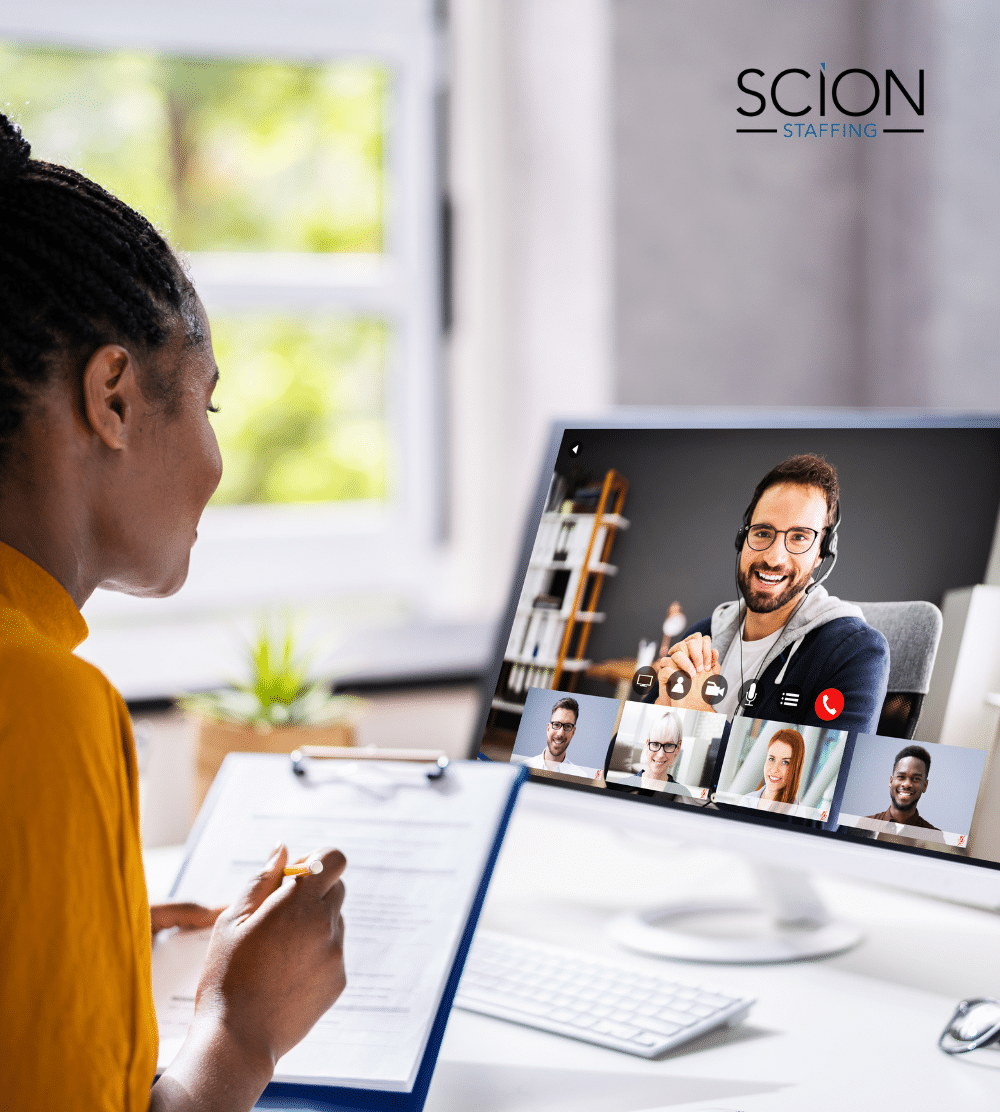
Test your technology in advance: check your internet connection, video quality, microphone, speakers, and any software or links provided by the employer.
-
Choose a quiet, well-lit space with a neutral background. Avoid busy or cluttered settings.
-
Position your camera at eye level for natural eye contact.
-
Minimize background noise:silence notifications, inform household members, and use headphones if necessary.
-
Maintain good posture, smile, and look into the camera when speaking to simulate direct eye contact.
-
Keep your resume, notes, and questions nearby but avoid reading directly from them. Keep the interaction natural.
Bring (or Send) the Essentials
-
Bring three copies of your resume to in-person interviews. For virtual meetings, email your resume in advance and have it open on your screen for quick reference.
-
Prepare a typed list of professional references and have it ready to send if requested.
-
Have a notebook and pen to take notes discreetly during the interview.
-
Prepare thoughtful questions to ask, showing genuine interest in the role and organization.
Attention to Detail Matters
-
If filling out applications or forms, complete them neatly and accurately.
-
After your interview, jot down notes about key discussion points, your impressions, and any follow-ups. This will help in future interviews and thank-you communications.
Follow Up Immediately
-
After the interview, call your Scion Staffing Recruiter to provide feedback on how the meeting went.
-
Send a thank-you note within 24 hours:preferably the same day. A prompt, personalized thank-you email (or handwritten note if appropriate) leaves a lasting, positive impression.
Prepare for a Scion recruiter and a client interview
For your Scion recruiter, be ready to discuss your experience, work preferences, availability and what you want next. For a client interview, study the employer and role, connect your work to its needs, and ask your recruiter for context on the interview format. After meeting the client, share your impressions with your recruiter.
Conversation and connection
Ask questions that move the conversation forward
Start by understanding the role, then go deeper into team priorities, leadership and how your work would contribute.
Mastering the art of asking questions and building rapport
One of the most pivotal moments in any interview is when you're asked, “Do you have any questions for us?” This is not just a formality:it’s a golden opportunity to demonstrate your interest, curiosity, and alignment with the role and company. How you handle this moment can set you apart from other candidates.
How to ask the right questions in first, second and third round interviews
First Round Interviews: Focus on Understanding the Role and Company Vision
-
What does success look like in this role within the first 90 days?
-
Can you describe the team I would be working with and how this position supports them?
-
What are some of the immediate challenges the person in this role will need to address?
-
How would you describe the company culture and core values?
-
What do you personally enjoy most about working here?
Second & Third Round Interviews: Dig Deeper Into Strategy, Leadership, and Impact
-
How does this role contribute to the company’s larger goals and mission?
-
What are the key priorities for the team over the next 6-12 months?
-
Can you share how leadership supports employee growth and development here?
-
Are there any upcoming changes, projects, or initiatives that this role will be involved in?
-
How is success measured for this role and team on a long-term basis?
Is it Okay to Repeat Questions?
Absolutely:but be strategic. It’s fine to ask the same (or similar) questions to different people, especially when their perspectives will differ. For example, asking a peer about team dynamics and then asking a department leader the same question gives you well-rounded insights. Be sure to mention that you’ve asked others but would like their personal take:
"I asked [Name] this as well, but I’d love to hear your perspective on..."
Building genuine rapport with your interviewer
Building a real connection can significantly influence how you’re remembered:
-
Be observant: Look for shared interests, backgrounds, or experiences mentioned during introductions.
-
Personalize your questions: If an interviewer shares something about their journey, follow up with curiosity:“That’s interesting, how did you transition into this role?”
-
Listen actively: Smile, nod, and engage with eye contact. Repeat key points they’ve mentioned to show attentiveness.
-
Mirror their tone and energy: If they’re formal, stay professional; if they’re conversational, lean into a more relaxed dialogue.
Panel interviews vs. one-on-one interviews: how to approach each
Panel Interviews:
-
Address the entire group when answering questions, not just the person who asked.
-
Make eye contact with all panel members throughout the conversation.
-
Learn names early and use them when responding.
-
Balance your focus:ensure no one feels left out of the discussion.
-
Prepare for rapid-fire questions and varying styles of communication.
-
Bring extra copies of your resume for each panelist.
One-on-One Interviews:
-
Use the opportunity to go deeper and build a personal connection.
-
Adapt to the interviewer’s style; if they are conversational, engage accordingly.
-
Take time to ask follow-up questions based on their responses.
-
This format allows you to dive deeper into your personal experiences and how they align with the role.
Top 10 questions to ask in any interview
Cheat Sheet for Job Seekers
Asking thoughtful questions during an interview shows preparation, curiosity, and genuine interest. Here are 10 powerful questions that work in any interview setting:
Understanding the Role & Expectations
-
What are the immediate priorities for this role in the first 90 days?
-
What qualities have made others successful in this position?
-
Can you share more about the day-to-day responsibilities of this role?
Team & Culture Insights
-
How would you describe the team dynamic and how this role supports the team’s goals?
-
How does leadership promote collaboration and communication within the organization?
-
What do you enjoy most about working here? (A great rapport-building question)
Company Vision & Strategy
-
What are some exciting projects or initiatives the company is focusing on this year?
-
How does this role contribute to the company’s larger mission and goals?
Growth & Development
-
What opportunities are available for professional growth and advancement in this role?
-
How do you define and measure success for someone in this position?
Pro tip
For second and third-round interviews, revisit key questions with a deeper lens. It’s okay to ask multiple team members similar questions to gather varied perspectives:just frame it as wanting to learn their personal take.
Next steps
Keep your job search moving
Use Scion's candidate resources to find roles, update your profile and get answers about the application process.
Fast answers
Interview preparation questions
Open a question for practical guidance. For more detailed candidate and account help, visit the job seeker Q&A.
How should I prepare for an interview with Scion Staffing?
Review the role description, refresh your resume, prepare specific examples of relevant work, and consider what you want in your next position. Be ready to discuss your availability, work preferences, and questions about the opportunity. Your recruiter can explain the process and help you prepare for a client interview.
How should I prepare for an interview with a client?
Research the employer and role, map your relevant experience to the position, and prepare examples that show what you did and the results. Test your technology for a video meeting or plan your route for an in-person one. Bring thoughtful questions, listen closely, and follow up with your Scion recruiter afterward.
What should I ask at the end of a job interview?
Ask about the role's immediate priorities, how success is measured, the team you would work with, and the next steps. Choose questions that fit the interview stage and follow up on details you learned during the conversation.
How do I prepare for a video interview?
Test your connection, camera, microphone, and meeting link ahead of time. Choose a quiet, well-lit place, silence notifications, position your camera at eye level, and keep your resume and a few notes nearby without reading from a script.
Should I send a thank-you note after an interview?
Yes. Send a concise, personal note within 24 hours to thank the people you met, mention a specific topic you discussed, and reaffirm your interest. If you do not have a client's email address, ask your Scion recruiter to forward your note.
Where can I find more candidate help and open jobs?
Browse Scion's current openings, review the candidate questions and answers, and use the job seeker resources linked below. Open positions and locations change frequently, so check the job search page for the latest opportunities.
Additional helpful resources
Keep learning with Scion
These articles help you work with recruiters, write stronger follow-up messages and present your experience clearly. Explore them alongside our candidate Q&A and employment resources.

3 signs you’re working with a high-quality recruiter
Learn what supportive, informed recruiters can add to your search.
Read the article →
How to write a professional email
Write clear messages when you contact recruiters and hiring teams.
Read the article →
How to stand out to human resources
Explore ways to communicate your strengths and interview with confidence.
Read the article →
How to market yourself for your dream job
Present your relevant experience and career goals with intention.
Read the article →Ready for your next opportunity?
Explore open jobs, then register or update your profile so Scion can learn more about you.